

Verona's 2025 figures speak for themselves. The province reached nearly 20 million visitors, a 1.9% increase over the previous year and a jump of over 10% compared to 2019, the last year before the pandemic. The main driver is the international component: over 15.7 million foreign visitors, up 2.2%, accounting for nearly 80% of total flows. The data comes from the Verona Chamber of Commerce, compiled based on ISTAT and the Veneto Region.
The city is experiencing similar momentum. Verona exceeded 3.3 million visitors, up 6.4%, driven by the return of foreign visitors. 2026 confirms this momentum. In March, the Adige River loop recorded 658,000 visitors, up from 573,000 in February and 586,000 in January. Spring has raised the bar even higher: between April 1st and May 3rd, the historic center counted nearly one million visitors, 998,000 to be precise. The data is from Confcommercio Verona in collaboration with VeronaUp, based on anonymous mobile phone traffic.
Behind these numbers lies an opportunity that directly affects the Valpantena. The people filling Piazza Bra and the city center streets are just a few minutes' drive from the valley. Quinto di Valpantena is about eleven to fifteen minutes from the city center, and Grezzana about twenty. The Valley of the Gods begins where Verona opens up to the north, gently rising towards the Prealps and the Lessinia mountains.
It's a distance that changes the perspective of travel. Those staying in Verona stay an average of three days, enough time for a detour through the hills without missing out on anything in the city. And the markets that arrive are precisely those seeking authentic experiences: for the entire month of March, the top countries of origin were France, the United Kingdom, and the United States. A curious public, accustomed to combining art, landscape, and fine food.
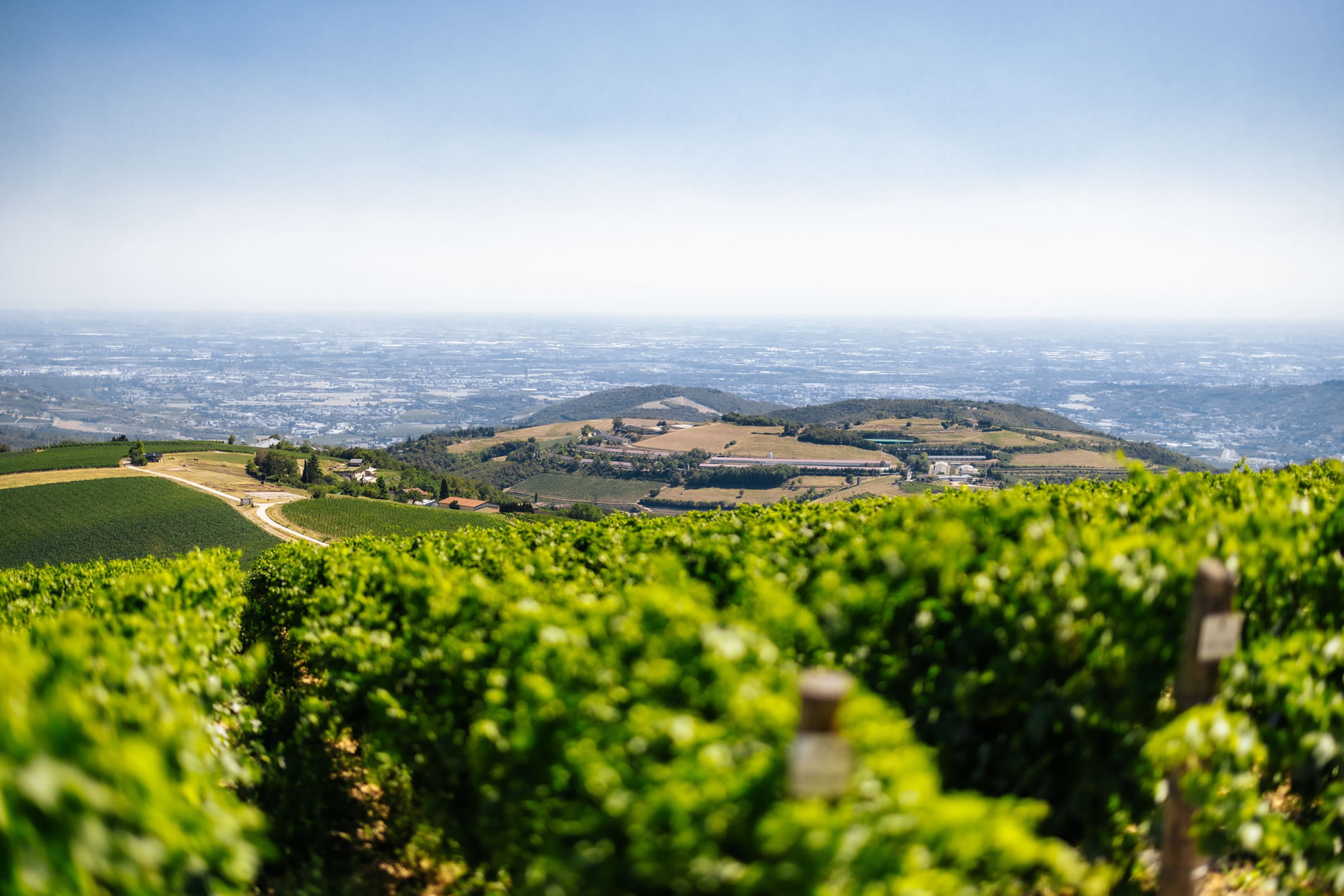
The region's primary signature is wine. The valley produces Amarone and Recioto, reds that express the patience of appassimento (drying) and the character of the Veronese hills (source: valpantena.org). Alongside the glass is Veneto-designated extra virgin olive oil, and the red marble that has been quarried in the valley for centuries to adorn palaces and churches far beyond its borders. Vineyards, olive trees, and stone compose an instantly recognizable mosaic.
Then there's nature, generous and within reach. Hiking trails, mountain bike paths, meadows and woods alternate with vineyards, while the plains give way to the mountains. You move from the city to the mountain pastures of the high valley almost without realizing it, traversing a variety of environments that few areas can concentrate in so few kilometers.
The Valpantena also preserves its memory and its built beauty. Villages that have maintained the pace of tradition, castles, and historic villas tell the story of centuries of stratification. A heritage that lives on in cellars, olive oil mills, lavishly laid tables, and hands that work ingredients and food with the same care as always.
This is where the most compelling offering for those visiting Verona takes shape. Imagine a morning among the city's works of art and an afternoon in the hills: a visit to a winery, a stroll among the olive trees, dinner at an inn that serves local produce. The city and the valley complement each other, and it only takes ten kilometers to travel from one to the other.
The numbers confirm that the direction is the right one. The hilly area of the so-called "4 Marchi" recorded the province's most significant growth in 2025, +6.9% overall, with a 12% jump in foreign visitors. Verona's hinterland is becoming a sought-after destination, and Valpantena has all the credentials to capture this trend.
The Valpantena Network was created precisely to seize this moment. Connecting wineries, villas, olive oil mills, hospitality, and producers means transforming individual excellences into a unique itinerary, and a valley near the city into a destination with its own name. Verona's flows are the favorable wind. The valley has its sails ready to catch them.